
Introduction
CBD oil has become a widely used wellness product, but not all CBD oils are created equal. One of the most important—and often overlooked—factors that determines quality, safety, and effectiveness is how the CBD is extracted from the hemp plant.
Extraction is the process that separates cannabinoids like CBD from raw plant material. The method used affects everything from potency and purity to flavor and shelf life. Understanding extraction methods empowers consumers to make informed choices rather than relying on marketing claims alone.
This guide explains the main CBD extraction methods, how they work, and why extraction quality matters more than most people realize.
What Is CBD Extraction?
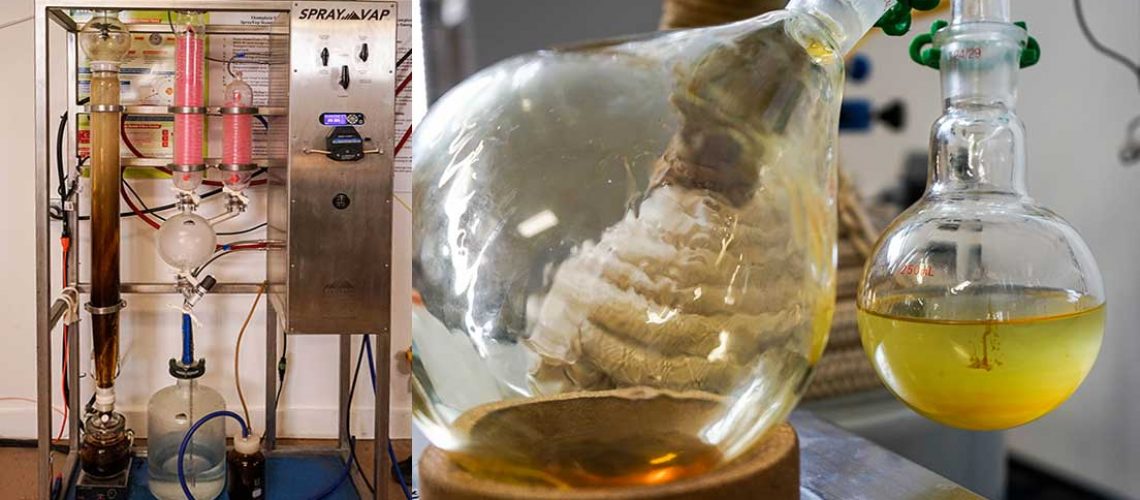
CBD extraction is the process of pulling cannabidiol and other beneficial plant compounds from hemp using a solvent or mechanical method. The goal is to isolate cannabinoids while preserving their structure and removing unwanted materials such as waxes, chlorophyll, and contaminants.
A well-executed extraction process results in a clean, stable extract that can be formulated into CBD oil. Poor extraction, on the other hand, can compromise both safety and effectiveness.
Why the Extraction Method Matters
The extraction method directly influences:
- CBD potency and consistency
- Presence of other cannabinoids and terpenes
- Purity and cleanliness of the final oil
- Risk of residual solvents
- Taste, color, and aroma
- Shelf life and stability
Two CBD oils with the same labeled strength can perform very differently depending on how they were extracted.
Supercritical CO₂ Extraction
How It Works
Supercritical CO₂ extraction uses carbon dioxide under high pressure and controlled temperature. In this state, CO₂ behaves like both a liquid and a gas, allowing it to penetrate plant material and dissolve cannabinoids efficiently.
Once the extraction is complete, pressure is released and CO₂ returns to a gaseous state, leaving behind a concentrated hemp extract.
Why CO₂ Extraction Is Considered the Gold Standard
CO₂ extraction is widely regarded as the cleanest and safest method because:
- It produces no toxic solvent residue
- It preserves cannabinoids and terpenes
- It allows precise control over extraction parameters
- It meets pharmaceutical-grade standards
Most premium CBD oils use CO₂ extraction due to its reliability and safety profile.
Potential Drawbacks
The main downside is cost. CO₂ extraction requires specialized equipment and skilled operators, which increases production expenses. This is why CO₂-extracted CBD oils are often priced higher—but the quality difference is usually justified.
Ethanol (Alcohol) Extraction
1. How It Works
Ethanol extraction uses food-grade alcohol to dissolve cannabinoids and other compounds from hemp. The solution is then filtered and heated to evaporate the alcohol, leaving behind the extract.
2. Benefits of Ethanol Extraction
When done correctly, ethanol extraction can be:
- Efficient and scalable
- Effective at extracting a wide range of cannabinoids
- Suitable for full-spectrum CBD products
Many reputable manufacturers use ethanol extraction followed by advanced refinement steps.
3. Potential Issues
Ethanol is less selective than CO₂, meaning it can extract chlorophyll and plant waxes if not carefully controlled. Poorly refined ethanol extracts may taste bitter or appear darker.
Quality depends heavily on post-processing and purification.
Hydrocarbon Extraction (Butane or Propane)
1. How It Works
Hydrocarbon extraction uses solvents like butane or propane to dissolve cannabinoids. These solvents are later removed through evaporation.
2. Why This Method Is Controversial
While hydrocarbons can extract cannabinoids efficiently, they carry higher risks:
- Potential solvent residue if not purged properly
- Safety hazards during extraction
- Lower consumer trust
This method is less common for CBD oil intended for wellness use and is generally avoided by premium brands.
Olive Oil Extraction
How It Works
Olive oil extraction involves heating hemp plant material and infusing it into olive oil. This is one of the oldest and simplest extraction methods.
Advantages
- Uses a food-safe solvent
- Simple and low-cost
- No chemical residue risk
Limitations
Olive oil extraction produces a less concentrated product with:
- Shorter shelf life
- Lower potency
- Limited scalability
It’s rarely used in commercial CBD oils and is more common in small-scale or homemade preparations.
Steam Distillation (Limited Use for CBD)
Steam distillation is commonly used for essential oils but is not ideal for CBD extraction. High heat can degrade cannabinoids, making this method unsuitable for producing potent CBD oil.
Full-Spectrum, Broad-Spectrum, and Isolate: How Extraction Affects Them
1. Full-Spectrum CBD Oil
Extraction methods that preserve multiple plant compounds are required for full-spectrum products. CO₂ and ethanol extraction are best suited for this purpose.
2. Broad-Spectrum CBD Oil
Broad-spectrum CBD starts as a full-spectrum extract, then undergoes additional processing to remove THC while retaining other cannabinoids.
Extraction precision is critical here to avoid losing beneficial compounds.
3. CBD Isolate
CBD isolate is produced through extensive refinement after extraction. While isolate offers high purity, the extraction process must be clean and precise to avoid contamination.
How Extraction Impacts Safety
Poor extraction practices can leave behind:
- Residual solvents
- Heavy metals
- Pesticides
High-quality CBD brands test their extracts through third-party laboratories to confirm purity and safety. Extraction method and lab testing go hand in hand.
Why Cheap CBD Oils Often Use Inferior Extraction Methods
Lower-priced CBD oils may rely on:
- Low-cost solvents
- Minimal refinement
- Inadequate purification
This can result in inconsistent potency, unpleasant taste, or safety concerns. Extraction shortcuts are often invisible to consumers unless lab reports are reviewed.
How to Identify a Well-Extracted CBD Oil
When evaluating a CBD oil, look for:
- Clear mention of CO₂ or food-grade ethanol extraction
- Third-party lab reports
- Transparency about manufacturing processes
- Clean taste and consistent color
Vague claims like “premium extraction” without specifics are a red flag.
Does Extraction Affect CBD Oil Shelf Life?
Cleaner extraction methods, such as supercritical CO₂ extraction, remove cannabinoids from the hemp plant without leaving behind harmful residues. Because there are no residual solvents or unwanted plant compounds, the resulting CBD oil is chemically more stable. This stability helps preserve cannabinoid structure, potency, and overall product quality for a longer period when the oil is stored under proper conditions.
On the other hand, inferior extraction methods may leave trace amounts of solvents, chlorophyll, waxes, or other impurities in the oil. These contaminants can interact with cannabinoids over time, speeding up oxidation and degradation. As a result, the CBD may lose effectiveness more quickly, and the oil can develop off-flavors, discoloration, or changes in consistency.
Properly extracted CBD oil—especially when paired with airtight packaging, controlled storage temperatures, and protection from light—maintains its potency and therapeutic value far longer than products made using low-grade extraction techniques. This is why extraction quality often matters more than CBD strength alone when evaluating long-term value and product reliability.
Also Read: CBD Oil and Sleep Quality: How It Fits Into a Nighttime Routine
Final Thoughts
CBD extraction is not just a technical detail—it’s the foundation of product quality. The method used determines how clean, effective, and reliable a CBD oil will be over time.
CO₂ extraction remains the gold standard for safety and consistency, while ethanol extraction can also produce high-quality results when done correctly. Cheaper methods may reduce cost but often sacrifice purity and trust.
Understanding how CBD oil is extracted—and why extraction method matters—allows consumers to look beyond marketing and choose products that align with their expectations for safety, effectiveness, and long-term value.