
With the growing popularity of natural wellness products, many people often come across two commonly used terms—CBD oil and hemp oil. At first glance, they may seem similar, and some even use the terms interchangeably. However, they are quite different in terms of composition, benefits, and uses.
If you’re confused about which one to choose or simply want to understand how they differ, you’re not alone. This guide will clearly explain the key differences between CBD oil and hemp oil so you can make informed decisions for your wellness routine.
What Is CBD Oil?
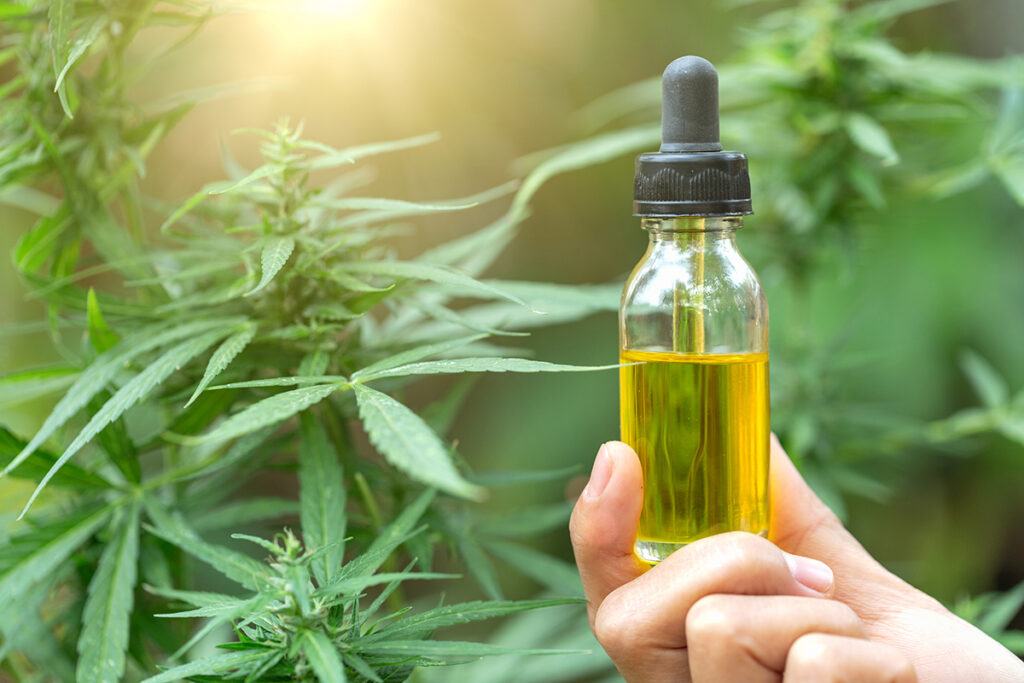
CBD oil is derived from the flowers, leaves, and stalks of the hemp plant. It contains cannabidiol (CBD), a naturally occurring compound known for its potential therapeutic properties.
CBD is one of many cannabinoids found in hemp, and it interacts with the body’s endocannabinoid system, which plays a role in maintaining balance in functions like sleep, mood, and pain response.
How CBD Oil Is Extracted
CBD oil is typically extracted using advanced methods such as CO2 extraction or ethanol extraction. These methods help preserve the active compounds found in the plant.
What Makes CBD Oil Unique
What sets CBD oil apart is its cannabinoid content. It may contain:
- CBD (primary active compound)
- Trace cannabinoids
- Terpenes (aromatic compounds)
Depending on the type (full-spectrum, broad-spectrum, or isolate), CBD oil may also contain very small amounts of THC (within legal limits in many regions).
What Is Hemp Oil?
Hemp oil, often referred to as hemp seed oil, is made by cold-pressing the seeds of the hemp plant. Unlike CBD oil, it does not contain significant levels of cannabinoids like CBD.
Instead, hemp oil is valued for its nutritional content and is widely used in cooking, skincare, and dietary supplements.
Nutritional Composition of Hemp Oil
Hemp oil is rich in:
- Omega-3 and omega-6 fatty acids
- Vitamin E
- Antioxidants
Common Uses of Hemp Oil
Hemp oil is commonly used for:
- Cooking and salad dressings
- Moisturizing skin and hair
- Supporting general nutrition
CBD Oil vs Hemp Oil: Key Differences
Understanding the differences between these two oils can help you choose the right product for your needs.
Source of Extraction
CBD oil is extracted from the leaves, flowers, and stalks of the hemp plant, while hemp oil is made only from hemp seeds.
Cannabinoid Content
CBD oil contains cannabidiol and other plant compounds, whereas hemp oil contains little to no CBD.
Purpose and Use
CBD oil is often used for wellness support, such as relaxation, sleep, and discomfort management. Hemp oil is primarily used for nutrition and skincare.
Method of Consumption
CBD oil is usually taken sublingually (under the tongue) or added to food and drinks. Hemp oil is commonly used in cooking or applied topically.
Benefits of CBD Oil
CBD oil has gained attention for its potential to support overall wellbeing.
May Support Relaxation and Stress Relief
Many people use CBD oil to help manage daily stress and promote a sense of calm.
May Help With Sleep
CBD oil is often included in nighttime routines to support better sleep quality.
May Support Physical Comfort
Some users report that CBD oil helps with managing discomfort after physical activity or long days.
Benefits of Hemp Oil
While hemp oil doesn’t contain CBD, it still offers several benefits.
Supports Heart Health
The balanced ratio of omega fatty acids may support cardiovascular health when included in a balanced diet.
Nourishes Skin and Hair
Hemp oil is commonly used in skincare products due to its moisturizing and soothing properties.
Provides Essential Nutrients
It serves as a plant-based source of essential nutrients, making it popular among health-conscious individuals.
How to Choose Between CBD Oil and Hemp Oil
Choosing the right oil depends on your goals.
For Wellness Support
If you’re looking for potential support with sleep, stress, or relaxation, CBD oil may be the better option.
For Nutrition and Cooking
If your goal is to add healthy fats to your diet or improve skin and hair health, hemp oil is a great choice.
Check Product Labels Carefully
Many products are labeled as “hemp oil,” which can sometimes create confusion. Always check whether the product contains CBD or is made from hemp seeds.
Common Misconceptions About CBD and Hemp Oil
There are several misunderstandings that often lead to confusion.
They Are Not the Same Product
Although both come from the hemp plant, their composition and uses are very different.
Hemp Oil Does Not Contain CBD
Hemp seed oil typically does not provide the same benefits associated with CBD.
CBD Oil Is Not Intoxicating
CBD oil does not produce a “high” when it contains only trace amounts of THC within legal limits.
Safety and Quality Considerations
When choosing any oil product, quality matters.
Look for Third-Party Testing
Reliable CBD products often come with lab reports that verify their contents and purity.
Choose Reputable Brands
Buying from trusted brands ensures better safety and consistency.
Start With Small Amounts
If you’re new to CBD oil, it’s always best to start with a lower amount and observe how your body responds.
Read Also : Cold-Pressed CBD Oil: Why It’s Becoming the Health Industry’s New Favorite
Conclusion
CBD oil and hemp oil may sound similar, but they serve very different purposes. CBD oil is widely used for its potential wellness benefits, while hemp oil is valued for its nutritional and skincare properties.
Understanding these differences can help you avoid confusion and choose the product that aligns with your needs. Whether you’re exploring natural wellness options or simply looking to improve your diet, knowing what each oil offers ensures you make a more informed and confident decision.