
CBD oil’s popularity has skyrocketed thanks to its potential benefits for pain relief, anxiety reduction, and sleep support. Yet not all CBD products deliver the same results—largely due to bioavailability, or the proportion of a substance that enters the circulation and produces an active effect. Understanding how food and timing influence CBD oil absorption can help you tailor your routine for maximum effectiveness and value.
What Is Bioavailability and Why It Matters for CBD Oil
Bioavailability refers to the percentage of an ingested compound that reaches bloodstream circulation in an active form. For orally consumed CBD oil, factors like digestion, first-pass metabolism in the liver, and compound formulation can all reduce bioavailability. A product with low bioavailability may require higher doses to achieve the same effect as one with superior absorption properties. By optimizing when and how you take CBD oil, you can ensure more consistent and predictable results.
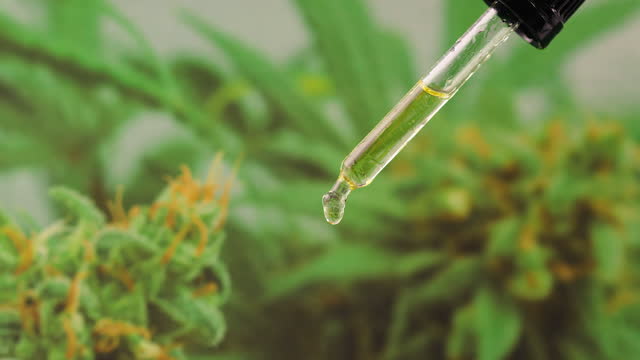
Definition and Factors Affecting Absorption
When you swallow CBD oil, it travels through the stomach and intestines, where digestive enzymes break it down before it passes through the liver. The liver’s “first-pass” effect can metabolize a significant portion of CBD, turning it into compounds that may be less active. Further, the oil’s formulation—whether it’s dissolved in MCT oil, uses a water-soluble emulsion, or incorporates liposomal carriers—impacts how quickly and completely CBD crosses the intestinal lining into your bloodstream.
Challenges with Oral CBD
Traditional CBD oil taken under the tongue (sublingual) bypasses some first-pass metabolism, offering slightly better bioavailability (around 12–35%) than simple capsule ingestion (6–20%). However, user error—such as swallowing too quickly—can negate sublingual benefits. Moreover, edibles like gummies face the same digestive hurdles as capsules, often requiring higher doses that can get expensive.
How Food Influences CBD Oil Absorption
What you eat around the time you take CBD oil can significantly amplify or hinder absorption. Fatty meals, for instance, have been shown to improve the bioavailability of cannabinoids by aiding their solubility and transport.
High-Fat Meals and Increased Absorption
A landmark study published in the Journal of Clinical Pharmacology found that participants who took CBD oil with a high-fat meal experienced a 4-fold increase in peak plasma levels compared to taking it while fasting. Fats stimulate bile acids, which emulsify lipophilic compounds like CBD, making them easier for intestinal cells to absorb. Meals containing avocado, nuts, dairy, or healthy oils (olive, coconut) are particularly effective at boosting CBD uptake.
Practical Meal Examples
For best results, aim to pair your CBD dose with:
- Avocado toast drizzle: Add a teaspoon of olive or MCT oil.
- Greek yogurt parfait: Top with chia seeds and walnuts.
- Smoothie base: Use coconut milk or almond butter in your blend.
Wait about 30 minutes after eating to take your CBD oil, ensuring your gallbladder and digestive enzymes are fully mobilized.
Timing Your CBD Oil Intake for Optimal Results
Beyond food, the time of day you take CBD can enhance its effectiveness by aligning with your body’s natural rhythms and the specific effect you desire.
Empty Stomach vs. With Meals
Taking CBD on an empty stomach may lead to quicker absorption, but it often results in lower overall bioavailability due to rapid transit through the gut and minimal fat presence. Conversely, coupling CBD with meals maximizes absorption but may delay onset by 30–60 minutes. If you need rapid relief—say for acute anxiety—consider a sublingual tincture on an emptier stomach. For sustained daily wellness, integrate CBD doses with breakfast and dinner.
Circadian Rhythm Considerations
Your endocannabinoid system exhibits diurnal fluctuations—varying sensitivity to cannabinoids across the day. Morning doses can help regulate cortisol levels and enhance focus, while evening doses may support melatonin production and relaxation. Experiment with taking CBD oil 30 minutes before your usual wake-up and again 1–2 hours before bedtime to find your optimal schedule.
Practical Tips to Maximize CBD Bioavailability
Beyond food and timing, several straightforward strategies can further improve how your body absorbs CBD oil.
Choosing Enhanced Formulations
Manufacturers now offer advanced delivery methods such as:
- Nanoemulsions: Break CBD into tiny droplets, increasing the surface area for absorption.
- Liposomal carriers: Encapsulate CBD in phospholipid vesicles that fuse with cell membranes.
- Water-soluble powders: Use micelle-forming agents to disperse CBD evenly in liquids.
These technologies can raise bioavailability to 40–50% or higher, meaning you need less product to achieve the same effects.
Dosage Strategies
Start with a lower dose—5–10 mg—and gradually titrate up by 5 mg increments every 3–5 days until you achieve your desired effect. Splitting your total daily dose into two or three smaller doses can keep CBD levels more consistent, leveraging its biphasic effects (different responses at low vs. high concentrations).
Consistency and Tracking
Keep a journal noting dose amounts, meal composition, and timing alongside your subjective experience. Over 2–4 weeks, patterns often emerge—such as stronger effects when taken with breakfast vs. with lunch—that enable you to fine-tune your regimen.
Read Also : How CBD Oil Can Support Weight Management and Metabolism
Conclusion
Optimizing CBD oil bioavailability hinges on a few simple yet powerful techniques: taking your dose with a high-fat meal, synchronizing your intake with your body’s natural rhythms, and considering enhanced delivery formulations. By pairing CBD oil with avocado, nuts, or creamy smoothies, and timing doses for morning and evening routines, you can boost absorption and achieve more reliable results. Combined with thoughtful dosing strategies and diligent self-tracking, these adjustments ensure you get the most out of every drop—maximizing both efficacy and value.