
Introduction
CBD oil has quickly become one of the most talked-about wellness products in recent years. From easing stress and supporting sleep to helping with pain and inflammation, many people are exploring CBD oil as a natural alternative. But as its popularity grows, so does the number of products on the market—making it harder than ever to separate the genuine, high-quality oils from those that may be ineffective or even unsafe.
If you’re new to CBD or looking to upgrade your current product, this buyer’s guide will walk you through the key factors to consider when choosing high-quality CBD oil.
Understand the Types of CBD Oil
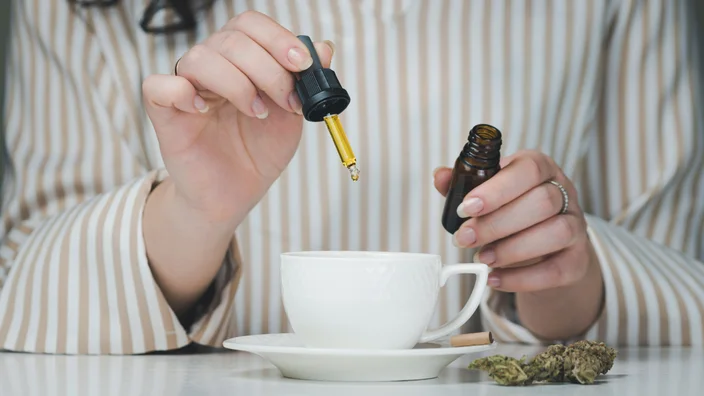
Not all CBD oils are the same. The first step in finding the right one is understanding the different forms available:
1. Full-Spectrum CBD Oil
Contains CBD along with other cannabinoids, terpenes, and trace amounts of THC (below 0.3%). Many users prefer it because of the “entourage effect,” where the compounds work together to enhance benefits.
2. Broad-Spectrum CBD Oil
Includes CBD and other cannabinoids/terpenes but with THC completely removed. This is a good choice if you want the benefits of multiple compounds without any THC exposure.
3. CBD Isolate
Pure CBD with no other cannabinoids or terpenes. It’s tasteless and THC-free, but some argue it may not deliver the same wide range of benefits as full- or broad-spectrum oils.
Look for Third-Party Lab Testing
A trustworthy CBD oil should always come with a certificate of analysis (COA) from an independent, third-party lab. This report verifies:
- The actual CBD content matches the label.
- The product is free of harmful substances like pesticides, heavy metals, or solvents.
- THC levels are within the legal limit.
Without third-party testing, you’re essentially taking the company’s word for it—something you shouldn’t risk when it comes to your health.
Pay Attention to Extraction Methods
The way CBD oil is extracted makes a huge difference in quality.
- CO₂ Extraction: The gold standard. It’s clean, efficient, and preserves beneficial compounds.
- Ethanol Extraction: Safe and effective but may leave behind some plant compounds.
- Cheap Solvent Extraction: Uses chemicals like butane or propane, which can leave harmful residues. Always avoid oils made with this method.
Check the Source of the Hemp
When it comes to CBD oil, the foundation truly lies in the hemp plant itself. Just like how great wine begins with carefully cultivated grapes, premium CBD oil comes from hemp that has been grown under optimal conditions. Organically grown hemp is especially important because it’s free from synthetic pesticides, herbicides, and chemical fertilizers that could leave harmful residues in the final product. Hemp is also a “bioaccumulator,” meaning it easily absorbs whatever is in the soil—good or bad. If the soil is rich and clean, the hemp will thrive and produce cannabinoids in abundance. But if it’s grown in contaminated or poorly managed fields, those toxins can end up in the oil you consume.
For this reason, sourcing plays a huge role. Hemp cultivated in regions like the U.S. or Europe is often subject to strict agricultural standards, ensuring safer and higher-quality crops. Choosing CBD oil made from such hemp not only helps guarantee purity and potency but also supports a product you can trust for your wellness journey. Would you like me to also expand this section with tips on how buyers can verify hemp sourcing when shopping for CBD oil?
Consider Potency and Dosage
CBD oil can be a little confusing at first because of the wide range of potencies available, but understanding strength is key to getting the best results. The potency is typically listed in milligrams (mg) on the bottle and reflects the total amount of CBD in the product. For example, a 30ml bottle containing 300–600 mg of CBD is considered a lower-strength option and is often recommended for beginners who are just starting out or looking for gentle daily support. On the other hand, higher-strength oils, such as those with 1000 mg, 2000 mg, or more, are generally chosen by experienced users or those managing more persistent concerns.
It’s important to note that stronger is not always better. A higher concentration may deliver more noticeable effects, but it doesn’t mean it’s the right fit for everyone. Factors like body weight, individual metabolism, and specific wellness goals all play a role in determining the ideal dose. Some people find that smaller, consistent doses work perfectly for them, while others may need to gradually increase potency over time. The key is to start low, observe how your body responds, and adjust as needed until you find your personal “sweet spot.”
Read the Ingredients Carefully
When shopping for CBD oil, the ingredient list is one of the most important things to pay attention to. A trustworthy product will always be transparent about what’s inside. At its core, a high-quality CBD oil should include just two main components:
1. CBD extract – This can come in different forms depending on your preference:
- Full-spectrum: Contains CBD along with other cannabinoids, terpenes, and trace amounts of THC (within legal limits). Many people prefer this because of the “entourage effect,” where plant compounds work together for enhanced benefits.
- Broad-spectrum: Similar to full-spectrum but with THC removed, making it a good option for those who want to avoid THC entirely while still benefiting from other cannabinoids and terpenes.
- Isolate: Pure CBD with no additional cannabinoids or terpenes, ideal for those who want CBD alone.
2. A carrier oil – This helps with absorption and makes dosing easier. Common choices include MCT oil (derived from coconuts), hemp seed oil (rich in omega fatty acids), or olive oil (a natural and widely used base).
What you want to avoid are unnecessary additives, artificial flavors, preservatives, or fillers. These don’t add value to the product and may even diminish its quality. Some cheaper CBD oils also cut corners with synthetic ingredients or poor-quality oils, which can affect both safety and effectiveness.
In short, the shorter and cleaner the ingredient list, the better. The best CBD oils are simple, natural, and focused on delivering CBD in its purest, most beneficial form.roducts with unnecessary additives, artificial flavors, or fillers. Simplicity is usually a good sign of quality.
Brand Transparency and Reputation
Reputable CBD companies are transparent about their sourcing, manufacturing, and testing practices. Look for brands that:
- Share their lab reports openly.
- Have clear information about where their hemp comes from.
- Receive positive reviews and feedback from customers.
Brands that hide details or make unrealistic claims (like curing diseases) are red flags.
Price vs. Quality
When it comes to CBD oil, price can be a tricky indicator of quality. It’s natural to be drawn to the cheapest option, especially with so many products flooding the market, but with CBD, low prices often raise red flags. A bargain product may come from hemp grown with pesticides, use poor extraction methods that leave behind solvents, or skip third-party lab testing altogether. These shortcuts not only reduce the effectiveness of the oil but can also put your health at risk.
On the flip side, just because a CBD oil comes with a premium price tag doesn’t automatically make it superior. Some brands rely heavily on marketing buzz and fancy packaging to justify higher costs, even if their actual ingredients and testing standards aren’t any better than mid-range options.
The smartest approach is to focus on value rather than price alone. Look for oils made from organically grown hemp, extracted cleanly (like with CO₂ methods), and backed by transparent, third-party lab reports. A product that combines purity, potency, and transparency at a fair price is always worth the investment. In other words, you’re not just paying for CBD—you’re paying for peace of mind, safety, and results.
Match the Oil to Your Needs
The best CBD oil for you depends on your goals:
- For stress and anxiety: Many find full-spectrum oils more effective.
- For avoiding THC: Choose broad-spectrum or isolate.
- For overall wellness: A moderate-potency oil is often sufficient.
- For targeted relief (e.g., pain): A higher concentration may be more suitable.
Also Read: The Role of CBD Oil in Supporting Mental Health
Final Thoughts
Choosing high-quality CBD oil doesn’t have to be overwhelming. By understanding the different types, checking for third-party testing, and paying attention to sourcing and transparency, you can make an informed decision that supports your health and wellness.
As the CBD industry continues to grow, being a smart consumer is your best defense against low-quality products. With the right approach, you can find a CBD oil that’s safe, effective, and tailored to your needs.