
CBD oil has become a popular natural remedy for a wide range of health issues, from anxiety and pain relief to promoting better sleep and overall wellness. While CBD, or cannabidiol, is the primary active compound in CBD oil, it is not the only one that contributes to its therapeutic effects. Terpenes, a class of aromatic compounds found in many plants, including cannabis, play a significant role in enhancing the effects of CBD oil. In this blog post, we’ll explore the importance of terpenes, how they interact with CBD, and how they contribute to the overall efficacy of CBD oil.
What Are Terpenes?
Terpenes are organic compounds found in many plants, and they are responsible for the distinctive aromas and flavors of various herbs, fruits, and flowers. In cannabis, terpenes are abundant and contribute to the plant’s unique scent profiles. These compounds are not just for fragrance; they also have therapeutic properties that can interact synergistically with cannabinoids like CBD, a phenomenon known as the “entourage effect.”
The Entourage Effect: A Synergistic Interaction
The entourage effect is a theory that suggests cannabinoids, terpenes, and other compounds in the cannabis plant work together to create enhanced therapeutic effects. This means that the presence of terpenes in CBD oil may increase the effectiveness of CBD by enhancing its absorption, efficacy, and overall impact on the body.
The Different Types of Terpenes in CBD Oil
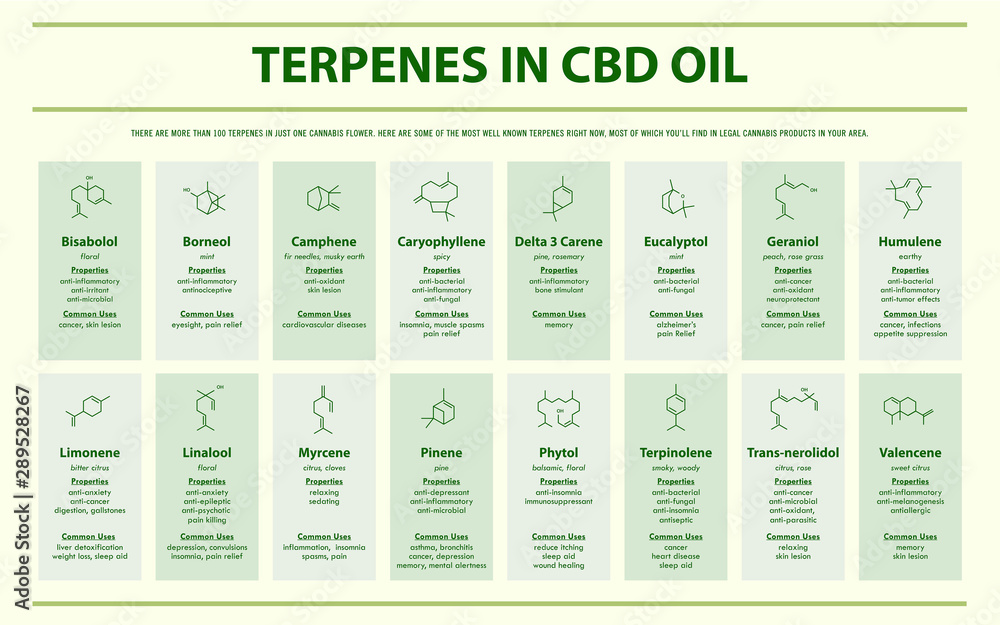
There are over 200 terpenes identified in the cannabis plant, each with its own unique properties and potential health benefits. Here are some of the most common terpenes found in CBD oil:
1. Myrcene
Myrcene is one of the most abundant terpenes in cannabis and is known for its earthy, musky scent. It is also found in other plants like hops, thyme, and lemongrass. Myrcene is believed to have sedative and muscle-relaxing properties, making it particularly beneficial for promoting sleep and relaxation. This terpene also enhances the permeability of cell membranes, allowing cannabinoids like CBD to be absorbed more easily by the body.
2. Limonene
Limonene is a citrus-scented terpene commonly found in the rinds of fruits like lemons and oranges. It has a refreshing, uplifting aroma and is known for its mood-enhancing and stress-relieving properties. Limonene also has anti-inflammatory and antioxidant effects, which can complement the therapeutic benefits of CBD.
3. Pinene
Pinene, as the name suggests, has a pine-like aroma and is found in pine needles, rosemary, and basil. This terpene is known for its anti-inflammatory and bronchodilator effects, which can be particularly beneficial for individuals with respiratory issues. Pinene is also believed to help improve focus and memory, making it a valuable addition to CBD oil for those seeking cognitive support.
4. Linalool
Linalool is a floral-scented terpene commonly found in lavender, mint, and coriander. It is known for its calming and anti-anxiety properties, making it an ideal terpene for those looking to reduce stress and improve sleep quality. Linalool also has analgesic (pain-relieving) and anti-inflammatory effects, which can enhance the pain-relief benefits of CBD.
5. Caryophyllene
Caryophyllene has a spicy, peppery aroma and is found in black pepper, cloves, and cinnamon. This terpene is unique because it can interact with the endocannabinoid system directly, specifically the CB2 receptors, which are involved in regulating inflammation and pain. Caryophyllene’s ability to bind to these receptors makes it particularly effective in enhancing the anti-inflammatory and pain-relieving properties of CBD oil.
How Terpenes Enhance the Effects of CBD Oil
The presence of terpenes in CBD oil can significantly influence its overall effectiveness. Here’s how terpenes work to enhance the therapeutic benefits of CBD:
1. Increased Bioavailability
Bioavailability refers to the rate at which a substance is absorbed and becomes available for use in the body. Some terpenes, like myrcene, can increase the permeability of cell membranes, allowing CBD to be absorbed more efficiently. This means that the presence of certain terpenes in CBD oil can enhance its bioavailability, making it more effective at lower doses.
2. Modulating the Effects of CBD
Terpenes can also modulate the effects of CBD by interacting with the same receptors in the endocannabinoid system. For example, caryophyllene binds to CB2 receptors, which are primarily involved in immune system responses. By doing so, caryophyllene can enhance the anti-inflammatory effects of CBD. Similarly, terpenes like limonene and linalool can amplify the anti-anxiety and mood-enhancing properties of CBD by interacting with neurotransmitter systems in the brain.
3. Targeted Therapeutic Effects
Different terpenes have different therapeutic properties, allowing for a more tailored approach to using CBD oil. For instance, a CBD oil rich in myrcene and linalool may be particularly effective for promoting relaxation and sleep, while one with high levels of pinene and limonene may be better suited for improving focus and reducing stress. By understanding the specific terpenes present in a CBD oil product, users can choose a formulation that best meets their needs.
The Importance of Full-Spectrum and Broad-Spectrum CBD Oil
When shopping for CBD oil, you’ll often come across terms like “full-spectrum” and “broad-spectrum.” These terms refer to the range of cannabinoids, terpenes, and other compounds present in the product.
1. Full-Spectrum CBD Oil
Full-spectrum CBD oil contains all the naturally occurring compounds found in the cannabis plant, including cannabinoids, terpenes, flavonoids, and trace amounts of THC (usually less than 0.3%). The presence of multiple cannabinoids and terpenes allows for the entourage effect, which can enhance the overall therapeutic benefits of the oil.
2. Broad-Spectrum CBD Oil
Broad-spectrum CBD oil also contains multiple cannabinoids and terpenes but has had the THC completely removed. This type of CBD oil still allows for the entourage effect, although it may be slightly less potent than full-spectrum CBD oil due to the absence of THC.
3. CBD Isolate
CBD isolate is a pure form of CBD that contains no other cannabinoids, terpenes, or compounds from the cannabis plant. While CBD isolate can still be effective, it lacks the enhanced benefits provided by the entourage effect.
For those looking to maximize the therapeutic effects of CBD oil, full-spectrum and broad-spectrum products are generally recommended. These products contain a wider range of terpenes and cannabinoids, allowing for a more potent and synergistic effect.
Choosing the Right CBD Oil with Terpenes
When selecting a CBD oil product, it’s important to consider the presence and type of terpenes. Here are a few tips to help you choose the right CBD oil:
1. Check the Lab Reports
Reputable CBD oil brands provide third-party lab reports that detail the cannabinoid and terpene content of their products. These reports can help you identify the specific terpenes present in the oil and ensure that you’re getting a high-quality product.
2. Consider Your Needs
Different terpenes offer different benefits, so consider your specific health goals when choosing a CBD oil. If you’re looking to reduce anxiety and improve sleep, opt for a product rich in linalool and myrcene. For pain relief and inflammation, look for CBD oil with high levels of caryophyllene.
3. Start with a Low Dose
If you’re new to CBD oil, start with a low dose and gradually increase it as needed. Pay attention to how your body responds to different terpene profiles, and adjust your dosage or product choice accordingly.
Conclusion
Terpenes play a crucial role in enhancing the effects of CBD oil by contributing to the entourage effect, increasing bioavailability, and providing targeted therapeutic benefits. By understanding the importance of terpenes and choosing the right CBD oil, users can maximize the potential health benefits of this powerful natural remedy.
Whether you’re seeking relief from anxiety, pain, or other health issues, a CBD oil rich in beneficial terpenes can offer a more effective and personalized approach to wellness.